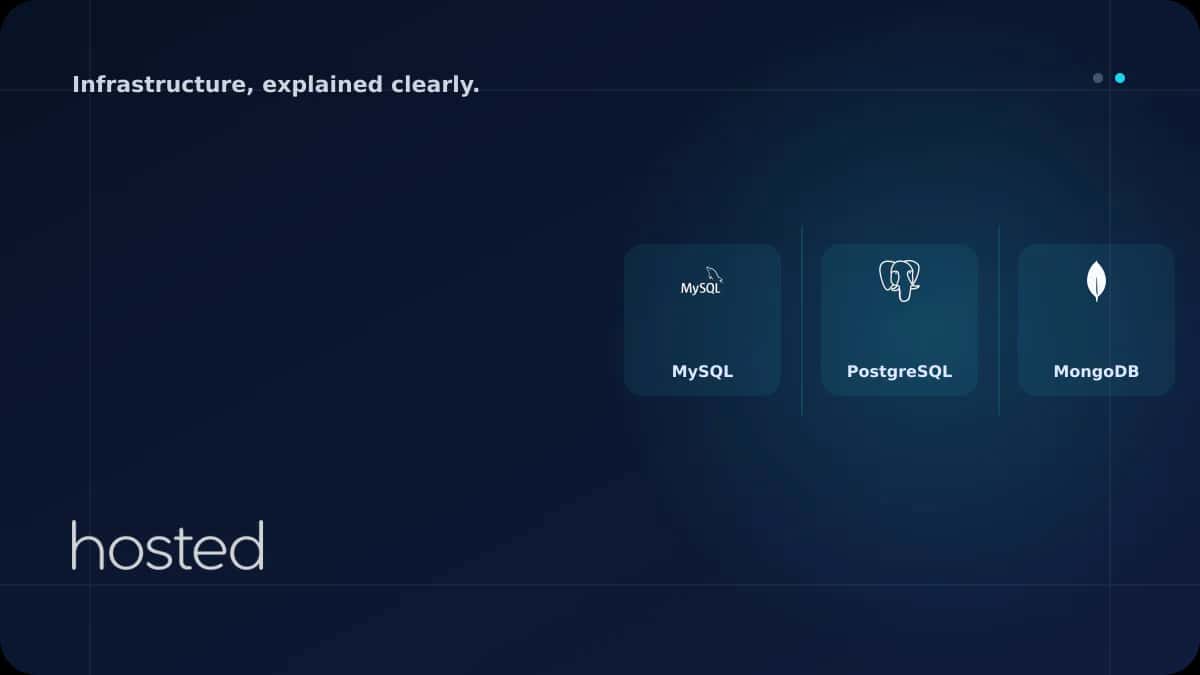
MySQL vs PostgreSQL vs MongoDB - 2026 Veritabanı Karşılaştırması
Veritabanı seçimi projenizin performansını, ölçeklenebilirliğini ve bakım maliyetini doğrudan etkiler. MySQL'in yaygınlığı, PostgreSQL'in gelişmiş özellikleri ve MongoDB'nin esnek şema yapısı farklı senaryolarda avantaj sağlar. Yanlış seçim, projenin ilerleyen aşamalarında maliyetli migrasyon gerekt
Elif Demir
Cloud Solutions Architect
Veritabanı seçimi projenizin performansını, ölçeklenebilirliğini ve bakım maliyetini doğrudan etkiler. MySQL'in yaygınlığı, PostgreSQL'in gelişmiş özellikleri ve MongoDB'nin esnek şema yapısı farklı senaryolarda avantaj sağlar. Yanlış seçim, projenin ilerleyen aşamalarında maliyetli migrasyon gerektiren teknik borç yaratır. Bu rehberde üç veritabanını veri modeli, performans, ölçeklenebilirlik ve ekosistem açısından karşılaştırıyor, hangi iş yükü için hangisinin uygun olduğunu somut kriterlerle açıklıyoruz.
Genel Karşılaştırma Tablosu
| Özellik | MySQL 8.x | PostgreSQL 16+ | MongoDB 7.x |
|---|---|---|---|
| Veri Modeli | İlişkisel (SQL) | İlişkisel + JSON/JSONB | Doküman (BSON) |
| Şema | Katı şema (strict) | Katı + esnek (JSONB) | Esnek şema (schema-less) |
| ACID Uyumu | Tam (InnoDB) | Tam | Multi-document (4.0+) |
| Yatay Ölçekleme | Read replica, Group Replication | Read replica, Citus extension | Native sharding |
| Full-Text Search | Temel (InnoDB FTS) | Gelişmiş (tsvector, GIN) | Atlas Search (Lucene) |
| JSON Desteği | JSON veri tipi | JSONB (indekslenebilir) | Native (BSON) |
| Lisans | GPL v2 (Oracle) | PostgreSQL License (MIT benzeri) | SSPL (MongoDB Inc.) |
MySQL: Ne Zaman Tercih Edilmeli?
MySQL, dünyanın en yaygın kullanılan açık kaynak ilişkisel veritabanıdır. WordPress, Drupal, Magento ve birçok PHP framework'ü varsayılan olarak MySQL destekler. Basit CRUD operasyonlarında yüksek performans sunar ve geniş hosting desteğine sahiptir.
-
CMS ve E-ticaret Projeleri WordPress, WooCommerce, Magento gibi platformlar MySQL ile optimize edilmiştir. Ekosistem desteği ve dokümantasyon zenginliği avantaj sağlar.
-
Yüksek Okuma Ağırlıklı İş Yükleri Read replica desteği ile okuma yoğun uygulamalarda yatay ölçekleme kolaydır. InnoDB buffer pool ile sık erişilen veriler bellekte tutulur.
-
Hızlı Prototipleme Kolay kurulum, geniş topluluk ve her hosting sağlayıcısında mevcut olması hızlı başlangıç sağlar.
⚠️ MySQL'in Sınırları: Karmaşık JOIN operasyonları ve analitik sorgularda PostgreSQL'e göre yavaş kalabilir. Window functions, CTE (Common Table Expressions) ve JSONB indeksleme gibi gelişmiş özellikler PostgreSQL'de daha olgun durumdadır. Ayrıca Oracle'ın sahipliği lisans belirsizliği yaratabilir.
PostgreSQL: Ne Zaman Tercih Edilmeli?
PostgreSQL, en gelişmiş açık kaynak ilişkisel veritabanıdır. JSONB desteği ile doküman veritabanı özelliklerini de sunar. Veri bütünlüğü, gelişmiş sorgu optimizasyonu ve extension ekosistemi ile öne çıkar.
Karmaşık Sorgular
Window functions, CTE, lateral join ve gelişmiş indeks tipleri (GIN, GiST, BRIN) ile analitik sorgularda üstün performans.
JSONB Hibrit Model
İlişkisel ve doküman modelini tek veritabanında birleştirin. JSONB alanları indekslenebilir ve SQL ile sorgulanabilir.
Extension Ekosistemi
PostGIS (coğrafi veri), TimescaleDB (zaman serisi), pgvector (AI embedding), Citus (dağıtık) gibi extension'lar ile genişletilebilir.
PostgreSQL özellikle fintech, sağlık, coğrafi bilgi sistemleri ve veri bütünlüğünün kritik olduğu projelerde tercih edilmelidir. Django, Rails, NestJS ve Spring Boot gibi modern framework'ler PostgreSQL ile mükemmel çalışır.
MongoDB: Ne Zaman Tercih Edilmeli?
MongoDB, doküman tabanlı bir NoSQL veritabanıdır. JSON benzeri BSON formatında veri saklar ve esnek şema yapısı sunar. Hızlı iterasyon gerektiren projelerde ve şemanın sık değiştiği durumlarda avantaj sağlar.
-
Değişken Şema Gereksinimleri IoT sensör verileri, kullanıcı profilleri, ürün katalogları gibi her kaydın farklı alanlara sahip olabileceği durumlar. Migration gerektirmeden alan ekleyip çıkarabilirsiniz.
-
Yatay Ölçekleme (Sharding) Native sharding desteği ile terabaytlarca veriyi birden fazla sunucuya dağıtabilirsiniz. Büyük veri setleri ve yüksek yazma hacmi olan uygulamalar için uygundur.
-
Hızlı Prototipleme ve MVP Şema tanımlamadan hızlıca veri yazmaya başlayabilirsiniz. Erken aşama startup'lar ve MVP geliştirme süreçleri için idealdir.
⚠️ MongoDB'nin Sınırları: Karmaşık JOIN operasyonları için tasarlanmamıştır - $lookup aggregation pipeline ile yapılabilir ancak performans ilişkisel veritabanlarına göre düşüktür. ACID transaction desteği 4.0 ile gelmiştir ancak performans maliyeti vardır. Veri tutarlılığı kritik olan finansal uygulamalarda dikkatli olun.
Karar Matrisi: Hangi Veritabanını Seçmeliyim?
| Senaryo | Önerilen Veritabanı |
|---|---|
| WordPress / WooCommerce sitesi | MySQL |
| SaaS uygulaması (multi-tenant) | PostgreSQL |
| Fintech / ödeme sistemi | PostgreSQL |
| IoT veri toplama | MongoDB veya TimescaleDB (PG) |
| Gerçek zamanlı analitik | PostgreSQL + ClickHouse |
| İçerik yönetim sistemi (CMS) | MongoDB veya MySQL |
| Coğrafi bilgi sistemi (GIS) | PostgreSQL + PostGIS |
| AI/ML vektör araması | PostgreSQL + pgvector |
💡 Pratik Öneri: Emin değilseniz PostgreSQL ile başlayın. JSONB desteği ile doküman modeli ihtiyaçlarını da karşılar, extension ekosistemi ile zaman serisi, coğrafi veri ve vektör araması gibi özel ihtiyaçlara genişleyebilir. MySQL'den PostgreSQL'e migrasyon, MongoDB'den SQL'e geçişten çok daha kolaydır.
PostgreSQL optimizasyonu için PostgreSQL Performans Optimizasyonu rehberimizi, cache katmanı için Redis Cache Katmanı rehberimizi, veritabanı güvenliği için Veritabanı Güvenliği rehberimizi inceleyin. PostgreSQL Resmi Dokümantasyonu ve MongoDB Dokümantasyonu ek kaynak olarak faydalıdır.
Sıkça Sorulan Sorular
MySQL'den PostgreSQL'e geçiş zor mu?
Temel SQL sorguları büyük ölçüde uyumludur ancak MySQL'e özgü fonksiyonlar (GROUP_CONCAT, IFNULL) ve AUTO_INCREMENT gibi özellikler farklılık gösterir. pgloader gibi araçlar migrasyon sürecini otomatikleştirir. ORM kullanıyorsanız (Prisma, TypeORM, Sequelize) geçiş genellikle connection string değişikliği ile yapılabilir.
MongoDB ile PostgreSQL JSONB arasında ne fark var?
MongoDB tüm veriyi doküman olarak saklar ve aggregation pipeline ile sorgular. PostgreSQL JSONB ise ilişkisel tablolar içinde JSON alanları sunar ve SQL ile sorgulanabilir. Verinin çoğu yapılandırılmış ise PostgreSQL JSONB, tamamen esnek şema gerekiyorsa MongoDB tercih edin.
Aynı projede birden fazla veritabanı kullanabilir miyim?
Evet, polyglot persistence yaklaşımı ile farklı iş yükleri için farklı veritabanları kullanabilirsiniz. Örneğin ana veri PostgreSQL'de, cache Redis'te, arama Elasticsearch'te, session MongoDB'de tutulabilir. Ancak operasyonel karmaşıklığı artıracağını göz önünde bulundurun.
Hangi veritabanı daha hızlı?
"Hangisi daha hızlı?" sorusunun tek bir cevabı yoktur - iş yüküne bağlıdır. Basit key-value okumalarında MongoDB hızlıdır. Karmaşık JOIN ve analitik sorgularda PostgreSQL öne çıkar. Basit CRUD'da MySQL ve PostgreSQL benzer performans gösterir. Doğru indeksleme ve sorgu optimizasyonu, veritabanı seçiminden daha büyük fark yaratır.
Sonuç
Veritabanı seçimini projenizin veri modeli, sorgu karmaşıklığı, ölçeklenebilirlik ihtiyacı ve ekip deneyimine göre yapın. MySQL CMS ve basit web uygulamaları için, PostgreSQL karmaşık iş mantığı ve veri bütünlüğü gerektiren projeler için, MongoDB esnek şema ve yatay ölçekleme gerektiren iş yükleri için uygundur.
Veritabanınız İçin Yüksek Performanslı Sunucular
Hosted Cloud'un NVMe SSD sunucuları ile veritabanı performansınızı maksimize edin.
Bulut Sunucu Planlarını İncele →Elif Demir
Cloud Solutions Architect
Kurumsal bulut geçiş projeleri ve hibrit altyapı tasarımı konusunda uzman. AWS, Azure ve özel bulut ortamlarında 8 yıllık deneyime sahiptir.
Yorumlar yakında